
US Representative Scrutinizes Practices of IDR Entities
Rep. Frank Pallone, Jr., is seeking information from six IDR entities amid concerns about No Surprises Act arbitration practices and rising healthcare costs.
Rep. Frank Pallone, Jr., is seeking information from six IDR entities amid concerns about No Surprises Act arbitration practices and rising healthcare costs.

A court ruling struck down key parts of how regulators calculate the No Surprises Act's qualifying payment amount, siding with the Texas Medical Association's argument that the formula has historically favored payers in arbitration.


In an interview, Kyan Health Co-Founder and Chief Commercial Officer Konstantin Struck discussed how Kyan gives mid-market and enterprise employers access to premium workforce mental healthcare, at a price point that is affordable.
Daffodil Health launched an AI-powered solution to help payers manage No Surprises Act disputes by automating claims review, negotiations and arbitration workflows.
The Coalition Against Surprise Medical Billing launched a campaign opposing the No Surprises Act Enforcement Act, arguing it would worsen IDR process abuse.

Zelis has introduced an AI solution to help health insurers streamline the No Surprises Act's Independent Dispute Resolution process.

CMS finalized a new rule aimed at streamlining the No Surprises Act’s overwhelmed arbitration system. Provider groups largely welcomed the reforms — though some industry leaders said additional changes are still needed to address alleged misuse and improve transparency.


Healthcare payments are no longer about transactions. It’s about controlling the revenue cycle. And increasingly, that control is not sitting with ISOs.

A coalition of employer and consumer groups is urging the Trump administration to crack down on alleged abuse of the No Surprises Act’s independent dispute resolution process.
Industry leaders say the No Surprises Act is protecting patients from surprise bills, but its Independent Dispute Resolution system is being overused and exploited, driving up costs and prompting calls for reform.

The No Surprises Act protected patients from surprise bills, but its Independent Dispute Resolution process has become controversial as insurers accuse some providers of exploiting it at scale.
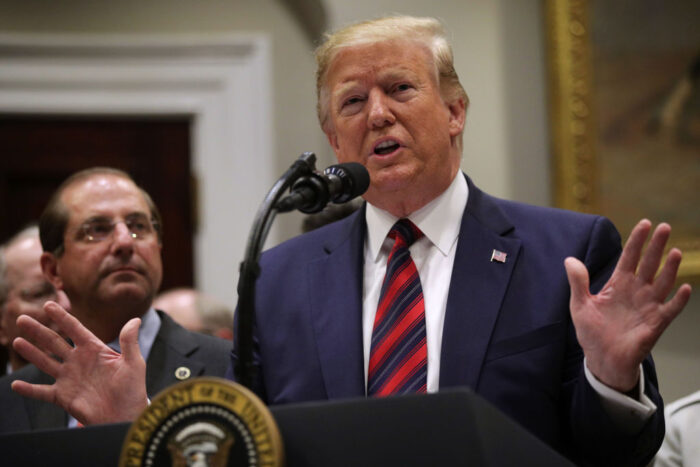
The Trump administration can immediately take these two price transparency administrative actions to reduce costs and improve affordability.


We have the opportunity to design systems that give people greater capacity for the work where human presence matters most: listening, understanding, reassuring, deciding, and caring.

Despite all the noise around the updates, there’s one area that’s been conspicuously absent this year: enforcement of patient estimate requirements.

Inaccuracies don’t just erode trust — they lead directly to surprise billing events, missed appointments, care delays, and in some cases, enforcement action.

CMS recently announced that it will change the administrative fee that providers and insurers must pay when initiating a reimbursement dispute under the No Surprises Act — the agency is lowering the fee from $350 to $50. This move came a week after the Texas Medical Association won a court case challenging HHS over its 600% price hike on the fee.

Amid the difficult healthcare environment, it's important to note that there have been some wins for employers, said Katy Spangler, senior advisor of the American Benefits Council, during the Midwest Business Group on Health conference held Tuesday. These wins include the No Surprises Act and price transparency rules.
Patricia Kelmar, healthcare campaigns director at the Public Interest Research Group, is an advocate for the No Surprises Act. But there's one thing that bothers her: the fact that providers can ask patients to waive their surprise billing protections, she said Tuesday when speaking at the AHIP Medicare, Medicaid, Duals and Commercial Markets Forum in Washington, D.C.